Fashion Week: Why New York, London, Milan, and Paris?
Date: 04/21/2023
Have you ever wondered why these iconic cities have become hubs for the worldâs most notorious fashion week events? Read the article below to find out!
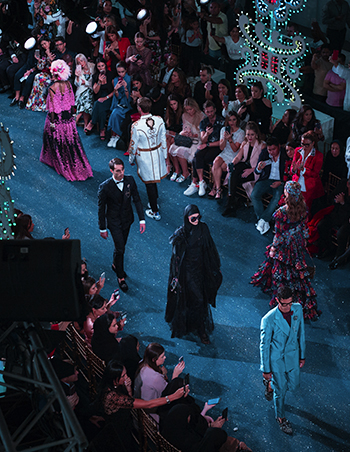
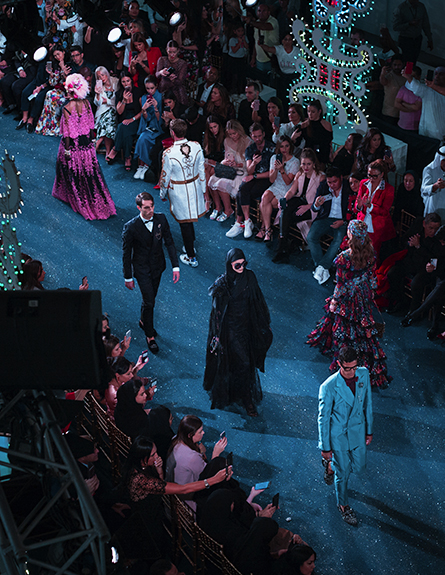
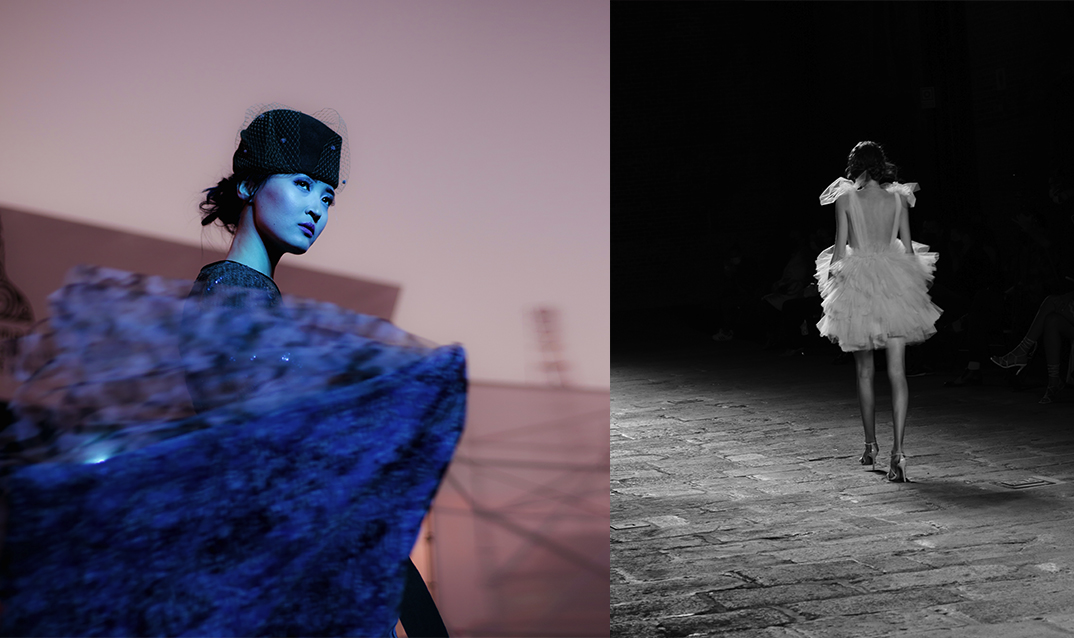
Recently I had the pleasure of enjoying a deeply satisfying fashion week experience in Paris. As I attended different fashion venues and events however, I found myself wondering why Paris, anyway? And for that matter: why New York, or Milan, or London? Is it just because these cities have a certain âsomethingâ that draws different expressions of the fashion elite? Or is there some other reason these cities have been chosen to host the worldâs most renowned fashion week events year after year?
Well, if youâre anything like me you may have found yourself wondering the same thingâwhich is why Iâm sharing what I learned about the history of fashion week with you in the short article below. Time to sate our mutual curiosities!
The Official Origins of Fashion Week
While we today recognize all the signs of a prestigious âFashion Weekâ, they werenât always the scene-stealers they are today. In fact, the entire concept of the Fashion Week is hinged on a promotional concept developed in Paris by Charles Frederick Worth in the early 1850s. Then, as time wore on, the idea to market womenâs wear couture to clients (and later to the public) transformed into what was called a âfashion paradeââin France, todayâs fashion shows still go by that name, often called âdĂ©filĂ©s de modeâ. From these early days, these parades took place in large public venues, such as racetracks or even beauty salons, until they eventually became social events of their own standing thanks to Eleanor Lambertâwho Iâll speak about in just a moment.
In the meantime (by 1903), the Elrich Brothers in New Yorkâs Manhattan area put on a stylized fashion affair that is widely known as the USAs first fashion showâthough sources do state that it was largely to bring in more middle-class female shoppers. In just seven short years, the concept caught fire, with many department stores and outlets in the first decade of the 20th century holding shows of their very own. Likely inspired by Parisâ âfashion paradesâ on the couture circuit, by 1920 American fashion elites and designers were successful in establishing what were now called âfashion showsâ as a fashion design essential. In 1950, only 30 years later, these events brought together ultra-large crowds. These events were so big that department stores and other venues soon had to apply for licensing for these events, and for the use of live models in their in-store promotional marketing!
It wasnât really until 1943 that most sources agree that the first-ever âFashion Weekâ came into popularity as fashion brands developed a circulating rotation of fashion shows centered around two âseasonsââwhat we now know as the Spring/Summer and Fall/Winter seasons. Yet this event wasnât so much for promotional purposes as it was to offset the sudden inability to buy French fashion during WWII. Certainly, it was near the end of the war that regularly scheduled fashion shows were often canceled due to Nazi occupation. So as to give American buyers an alternative to French designs, and to make fashion more accessible back home, the first Fashion Week event was born outside of those constraints; however, it would take another 30 years for the name to be used in Paris, to head start Paris fashion week in 1973.Â
So, who was behind the very first âfashion weekâ? A woman by the named of Eleanor Lambert, who was known as a super-publicist for fashion designers in her day. Hoping to build even more buzz around the fashion shows going on regularly in the city, she invited journalists and other media to her âNew York Press Weekâ, that eventually became the New York Fashion Week that we know today.Â
Since then, Fashion Week has evolved into a brand almost of its own making. No one currently owns the rights to the event calendar for Fashion Weeks around the world, while many cities around the world continue their attempts to join the ranks of the âBig FourââNew York, London, Milan and Paris. Incidentally, the âfashion week circuitâ follows these four cities in that order. Still there are other smaller-scale fashion weeks vying for a top spot, including Copenhagen, Berlin, Tokyo, Shanghai, Madrid, Sydney, Stockholm, Dubai, and Mexico. Other fashion weeks of note, with more modest means, are coming up in Istanbul, Miami, and Jakarta. Â
As we continue to explore the histories of the New York, London, Milan, and Paris fashion weeks, letâs see if we can discover why these cities continue to win out over others as the top spots for haute couture and fashion extravagance!
New York
Although the history above about covers the origins of New Yorkâs fashion week, I wanted to touch a bit more on the woman who started it all: Eleanor Lambert. According to popular histories, Lambert was the press director of the very first promotional organization for the fashion industry in America, called the New York Dress Institute (she would later found the Council of Fashion Designers of America).Â
The premise for her event was simple: she would hold the event in a centralized location (eventually naming the Plaza Hotel), and then would invite press from the surrounding area and across the country to attend. It was a press-only event at the time, so buyers did have to schedule their own âviewingsâ to purchase anything from these shown collections, and yet her idea for the New York Press Week caught like wild-fire, with even the most prestigious fashion magazines of the time (like Vogue) including more and more American designers and inspirations in their publications. Since up to that point many fashion designers had ignored American fashion, and even considered European fashion to have more âclassâ or âprestigeâ than their American counterparts, this was a huge and historic change in the fashion industry, and by Spring of 1951, 16 of these press events had set the stage for what we call Fashion Week today. In fact, I think New York remains in the Big Four thanks to all the history behind Fashion Weekâs origins there.
In retrospect, it would seem that Lambertâs plan worked out perfectly; though it is with the introduction of Ruth Finleyâs Fashion Calendar in 1945 that would really change the name of the game, ensuring that shows did not overlap so press and other attendees could witness the most collections possible in the short seven to nine day period. Sources say that she held that role for almost 70 yearsâhowever by 1993 (and thanks in part to Fern Mallis, then Executive Director of the Council of Fashion Designers of America) most of New Yorkâs biggest fashion weeks began being held in one central location, evolving from the Plaza Hotel to Bryant Park, to other fabulous establishments across the city.Â
Notably, New Yorkâs fashion week wasnât referred to as âNew York Fashion Weekâ until the 1990s, after âLondon Fashion Weekâ officialized their own name in 1984. Since then, many unique firsts have been seen from the event in NYC, including the first-wheelchair using model to appear at the event for designer Carrie Hammer in February of 2014.
London
Although it is second on the list of cities in the known Fashion Week circuit, it was in fact the last city to join the Big Four starting in 1984. At the time, the British Fashion Council (which was created that year) certified the title âLondon Fashion Weekâ, where they began awarding the inaugural âDesigner of the Yearâ award. Prior to that, many locally known designers began to lay the framework for the future of what would become Londonâs Fashion week, including Yves Saint Laurent who moved to London in 1974. Starting with its first show at a car park (the Commonwealth Instituteâs parking lot, to be exact) to shows at the Ritz, these events soon became renowned among celebrities of the day, with attendees including Princess Margaret and Bianca Jagger. Later in 1989, Kate Moss made her first appearance wearing a dove-like design by John Galliano at age 15, while in 1985 Princess Diana was known for hosting a reception for Fashion Week designers at Lancaster House. The events became so popular and profitable that Burberry even decided to return to London from Milan in 2009 to an eager local audience of ready buyers. Today the event has even become a huge contributor to Londonâs economy, contributing about $32B annually to the UKs GDP (about as much as the financial sector on its own). Â
DID YOU KNOW: It became quite âin-fashionâ at the time for celebrity attendees to create a scene or introduce some sort of drama to the events, often stealing the spotlight away from the designs going down the catwalk. These âepisodesâ later became known as âshow stealersâ.Â
From the get-go however, London Fashion Week seemed to invoke a type of activism that wasnât always seen in other fashion weeks across the globe. From that very first fashion show, the awarded Designer of the Year (Katharine Hamnett) created a fuss when she met Margaret Thatcher as a part of her celebration campaign while wearing a shirt that was boldly against nuclear armament. From there, Naomi Campbell is remembered for her topless runway appearance in London in 1993, selling out Stell McCartneyâs entire collection in collaboration with Kate Moss by 1995. Later in 1997, Sophie Dahl would walk the runway at a size 14 as a call-out (and in contrast to) skinnier modelsâeventually sparking a political and national debate about anorexia and body standards on and off the runway. As recently as 2018, the Fashion Week franchise in London took a risk that has reaped huge rewards for activists around the worldâthey were the first to restrict runway designs to those that are completely fur-free. In my opinion, itâs this flavor of drama and activism which keeps London in the running as one of the Big Four Fashion Week destinations.
Milan
Although fashion âshowsâ were essentially the norm in Italy by the mid 1900s, it wasnât until 1958 that Milan started to be seen as the final home of Italyâs official fashion week. In fact, this change marks Milan as the only one of the âBig Fourâ that was not a capital city. Up to that point however, Italian runways were known to crop up in smaller venues across all of Italy, such as small fashion houses or even warehouses in Rome, Florence, or Venice. Then Mr. Giovanni Battista Giorgini organized an incredible show in Florence that â for the first time â showcased an incredible concept of designs to a global audience of press, clients, and photographers. As Giorginiâs efforts hit their peak, and celebrity clientele became evermore attracted to the specific fashion influences of Italy (including Audrey Hepburn and Elizabeth Taylor), the entire industry turned to Milan, where by the late 50s, Fashion Week was officially born to provide Italy with new ground in the international fashion market thanks to familiar names like Giorgio Armani and Gianni Versace. Milan thus became the second official fashion week location, even before Paris! Â
As with the other âBig Fourâ fashion weeks, these runway shows began to reflect major themes of haute couture; however, some sources say that Milan began to rival Franceâs own couture aims by the 1960s. Certainly, the roman catwalks were a thing to behold, with incredible works of high-fashion providing a certain influence to other designs and designers. As Rome and Milan both grew into their own centers of haute couture, by the 70s â and with Milan being home to major fashion manufacturers, design houses, as well as Italyâs Vogue outlet â Milan was born as the most important center for Italian fashion twice per year.
Sadly, this fashion week is marked by a devastating loss to the design world, with the assassination of Gianni Versace. His sister, Donatella (in the 90s) then held a tribute show to her brother and included major names like Naomi Campbell, who was seen shedding a few tears for the famed designerâs loss during the runway show. To date, this show and others like it have continued to draw HUGE crowds from across the world, setting Milan up as a continued hub for drama, design, and amazing fashion.
Paris
Iâm a little biased about Paris fashion week, since itâs the one Iâve attended the most often in my life. The city of love certainly houses an incredible love of fashion, and continues to be a leader among the Big Four when it comes to setting the standard for Haute Couture. By 1945, for example, Parisâ Chambre Syndicale de la Haute Couture created a set of rules for what actually counts as Haute Couture. To be truly HC, a design house must therefore present a collection of at least 35 pieces of evening and daytime wear per season. This mandate was what actually paved the way for Fashion Weekâs conception in Paris, where later in 1984, Thierry Mugler showcased his collection to the public to celebrate his design houseâs 10th anniversary.
Even though Paris Fashion Week wasnât established until later in the 20th century, that doesnât mean Paris wasnât its own fashion force to be reckoned with prior to 1984. For sure, by the early 1900s a designer by the name of Paul Poiret started hosting lavish parties to celebrate and showcase his latest collections. As one source notes, the most famous of these parties was The Thousand and Second Night party in 1911, where Poiret asked all attendees to dress in their very best, and where he presented a series of lampshade dresses and harem trousers as the nightâs entertainment. Rumor has it that these after parties are in fact what has inspired a continued culture of events where guest lists are elite, and where models, clients, buyers, and designers come together to share ideas and a few drinks.
By the 20s and 30s, with renowned names like Coco Chanel and Elsa Schiaparelli coming into âfashionâ, the shows in Paris are said to have become less of a party, and much more like the fashion shows or âparadesâ that we see today. Design houses began to use models to showcase their collections at exclusive, client-only events, where even photographers were not allowed since fashion designers were becoming worried about their designs being copied by knock-off artists. Only when the second world war began drawing to a close did these events open back up to the public, culminating with the first official Paris Fashion Week in 1973.Â
This show is reported to have been a real head-turner, for it was not only a way for French designers to showcase their wares, but the event itself was set up as a kind of âBattle of Versaillesâ where five Italian designers competed against five then-unknown American designers in a stylized âwarâ between Paris and NYC. An event meant to fundraise for the restoration of the Palace of Versailles, the event is said to have hosted rhino-led caravans and Cinderella-style pumpkin coaches, as well as appearances from Liza Minnelli and a ton of surprising diversity from the American designers, who employed 11 models of color for the showâa move that was truly unprecedented considering the still-ongoing racial tensions in America at the time. After all was said and done, it was this diversity and immensity of the show that named the American designers as the all out winners, and the event is said to have raised up to 32M for Versaillesâs restoration.
One of the biggest differences between this Fashion Week and the Fashion Weeks which appear in other capitals across the world, however, is that Paris hosts two separate fashion weeks for each season. Not only do they include a âhaute coutureâ series of shows in alignment with the rest of the Big Four circuit, they include showcases in the âprĂȘt-Ă -porterâ style, meaning that most designs being shown were ready to wear, and to purchase. In fact, this âready to wearâ event is becoming more popular throughout the fashion industry as different brands try to answer activist calls to reduce wastefulness, and increase brand accessibility. And while there are many reasons why I believe Paris is still home to Franceâs biggest fashion week events, I think it might be this commitment to serving all classes of buyer that keeps Paris a head above the rest.
Fashion Futures: Love for Fashion Week in 2023
As Fashion Weeks around the world continue to act as major hubs for designers, models, and buyers to converge over what we all love most (fashion!), in recent years these events have had to evolve beyond their focus on clothing and accessories, becoming events that reflect themes of sustainability and environmentalism as well. Some fashion weeks are changing their schedules, and even shortening them as happened during the pandemic with New York Fashion week removing three days of showings from their annual lineup. As well, because these events are now considered by younger generations to be âestablishmentâ in nature, these shows are at risk of ousting new and upcoming talent in favor of the A-list brands we know and love.Â
ll that said, designers and models are evolving and changing with the times, and I donât see Fashion Week going out of style anytime soon. In fact, the dates for fashion week 2023 have been posted and look really exciting for those who are looking to add a show or two to their rotation! As New York, London, Milan, and Paris continue to be top hubs for fashion magnificence, I also donât see these locations changing anytime soon, and look forward to travelling more to witness the extravagance of these shows for myself. Hopefully I will see some of you there in our designer favorites, and if so, donât hesitate to come up and say hello! I would be so happy to connect â or to hear all about your fashion week experiences now and in the future through Instagram. Show me what you wore, what you thought, and where youâre going next, and Iâll do the same.
Canât wait to hear from you, or see you around in Fashion!
Xoxox,

Lena
SUBSCRIBE
Get the latest updates, sneak peeks and more.
Back To All Posts
Previous Post