 Back To All Posts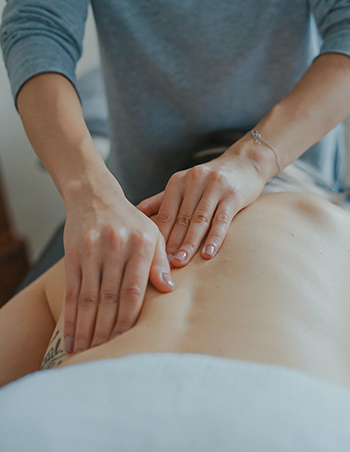
Why Do I Love Lymphatic Massage? Because it Works!
Date: 02/25/2022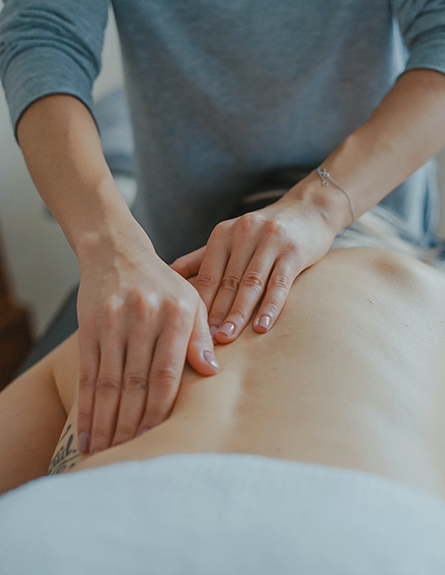
What is the Lymphatic System?
You know those areas just below your neck that get a little swollen whenever you catch a cold? Those are lymph nodes! In fact, we have an entire system of lymph nodes all over our body, and it lies just below the surface of our skin. The lymph system, as it is called, is a major player in your body’s immune system.
Basically, the lymphatic system works to collect, carry, and clear lymph fluid throughout the body and into the bloodstream where the body can properly manage it through regulatory organs like our kidneys and heart.
I went searching a little bit just to make sure I remembered my biology correctly, and this article from cancer.org confirmed which elements in your body make up the lymphatic system:
- Lymph fluid. This fluid is what is targeted by lymphatic massage. It circulates throughout our bodies, and is full of the tough stuff that supports our immune system, including proteins, salts, water, and even white blood cells to help fight off infection.
- Lymph nodes. As I mentioned, these are the main ‘hubs’ of your lymphatic system. They are these small, bean-sized glands that actively filter foreign substances. I am not just talking toxins here! These nodes are power-houses and can even filter tumor cells and infections! You can find lymph nodes all over your body, including your neck, chest, abdomen, groin, and even in your armpits.
- Lymph vessels (or ducts). These are the streams by which the lymphatic fluid flows. They are ‘one-way’ valves that – with the help of our muscles – help move fluid through the body. They are also responsible for controlling that flow. This becomes very important for lymphatic massage, but we will get to that in a moment.
To this point, the brain has not been included in the list of areas that the lymphatic system targets, or affects, but a recent study from Science Direct that reveals that lymphatic drainage does exist in the brain. In fact, according to their research, the brain’s lymph system plays a secondary role in communicating with the immune system to influence things like aging, sleep, and even posture!
To summarize, the lymphatic system is the part of your body that is responsible for filtering unwanted waste products. This is how white blood cells get to infections so fast! “Lymph” is therefore critical for clearing fluid buildup and inflammatory cells to boost immune tolerance.
What happens if our lymphatic system is ‘blocked’?
We already know that the lymphatic system is important to regulating tissue pressure, in helping the immune system, and even with absorbing dietary fat in the intestine. However, when your system is blocked, there is a chance that you can end up with some pretty bad side-effects.
The quick version is that, when something disrupts the regular process of your lymphatic system, lymph fluid collects in various areas of your body – such as the legs and arms – causing them to swell.
For example, there is evidence that an unhealthy lymph system contributes to any number of diseases—particularly autoimmune diseases. Here is a general list of conditions which arise from a disadvantaged system, based on several sources I discovered [1, 2, 3]. Remember that these conditions aren’t caused by a blocked lymph system, but are aggravated by one, and often contribute to lymph dysfunction overall:
- Lymphedema
- Rheumatoid arthritis
- Lupus
- Leukemia
- Trauma
- Obesity
- Cardiac Impairment
- Vascular Impairment
- Kidney Disease
It is important to note here that reduced functioning of the lymphatic system is often a result of cancer surgeries—particularly breast cancer treatment and surgery. People who suffer from, say, lymphedema, are then more likely to get problematic infections as a result.
What is Lymphatic Massage (or, Manual Lymphatic Drainage)?
Lymphatic massage is usually called manual lymph drainage, or lymphatic drainage massage. That’s because the main purpose of this type of massage is to drain lymph fluid that has been trapped or built up in the lymph nodes. It’s an old technique too—developed in 1936!
Ultimately, this type of massage is meant to relieve the swelling that occurs when a medical treatment or illness ‘blocks’ your lymphatic system—which in medical terms is called Lymphedema. A licensed practitioner will use prescribed drainage techniques to move lymph fluid from your tissues to your lymph nodes for proper processing.
The practice does however differ from regular massage in a variety of ways. To be sure, there are four different types of LDM. Each of these approaches to LDM use gentle massage to stretch the skin in the same direction as the area’s lymph flow. Often, therapists will start at the part of the affected limb that is nearest the torso, and move outward.
These light movements are meant to stimulate your lymph system, and so you won’t be feeling the same sensation as you might during a deep tissue massage. The idea is to press lightly on the vessels to promote lymph flow through nodes and tissues, specifically to ensure that fluid doesn’t become trapped or ‘blocked’ in one specific area, and to induce an immune response in the central nervous system (if you are ill or have lymphedema).
Benefits of Lymphatic Drainage Massage (LDM)
There are a ton of articles these days about the benefits of LDM, but I wanted to summarize the main positives all in one place. Whether you read more about the benefits below, know that most studies agree that LDM techniques are useful in improving lymphatic function, and to ultimately reduce tissue inflammation.
I’ll add here that this is key to understanding why I have become so interested in LDM. As someone who suffers from Lyme disease I am always keen to discover health-focused ways of relieving inflammation and improving immune function.
I am of course interested (and I think you will be to) in understanding which conditions can be managed or supported with the use of LDM therapy.
For example, this study found that manual LDM therapy can support the nonpharmacological therapies used to control hypertension, or high blood pressure. A study completed in 2007 showed that LDM can reduce post-operative facial swelling after dental surgery like wisdom teeth removal, whereas another study in 2009 found that LDM was more effective than regular tissue massage in reducing the pain felt by women who suffer from fibromyalgia.
Accordingly, lymphatic drainage massage is known as an ideal therapy to treat the following conditions—and should be considered as a therapeutic response with you doctor if you suffer from any of these:
- Swelling or edema
- Chronic pain
- Fibromyalgia
- Lymphedema
- Osteoarthritis
- Fatigue
- Stress
- Digestive issues
- Rheumatoid arthritis
- Systemic sclerosis
- Insomnia
In response to these illnesses and conditions, LDM is therefore beneficial in reducing painful swelling; boosting immunity by fighting off harmful infections; and improving skin texture by reducing puffiness, swelling, and even speeding up the healing of scar tissue. Another article on the subject discusses the capacity for lymphatic drainage to improve outcomes for those who experience intense migraine attacks on a frequent basis.
Try out Lymphatic Drainage Massage (LDM) for yourself
Honestly, you’ll never know the true benefits of LDM unless you try it out for yourself! If you already have a licensed massage practitioner on hand, call them up and see if they practice LDM therapy as well.
Sometimes, though, we don’t want to commit to a new regime, or maybe we don’t have a huge budget for massage therapy. If that’s your situation, if you’re nervous to start, or aren’t sure if it’s for you yet, there are a few ways you can practice LDM at home on your own time to get your body used to the feeling.
Here is one article that discusses a DIY approach to LDM that you might find useful. I find these small motions and movements to be really nice after a hot shower or bath, or after a particularly vigorous yoga session. It’s a great and simple way to boost yourself up for the day when you wake up too, so don’t hesitate to add it to your morning stretch routine.
Of course, there is still research that needs to be done on the other ways that LDM can be used to treat conditions that affect our immune systems, but for now the experiences I’ve had and the research I have come across prove that there are tangible, positive benefits that come with LDM—and I think you’ll love it just as much as I do!
Good luck on your LDM journey, and don’t hesitate to reach out and let me know all about it.
Thanks for reading,
Lena 
 Previous Post



SUBSCRIBE
Get the latest updates, sneak peeks and more.